2026 World Cup Match Prediction Guide: Understand Team Playing Styles Through Goals, Corners, Offsides, Yellow Cards and Red Cards
iBET Team — Malaysia sports betting and online entertainment content team
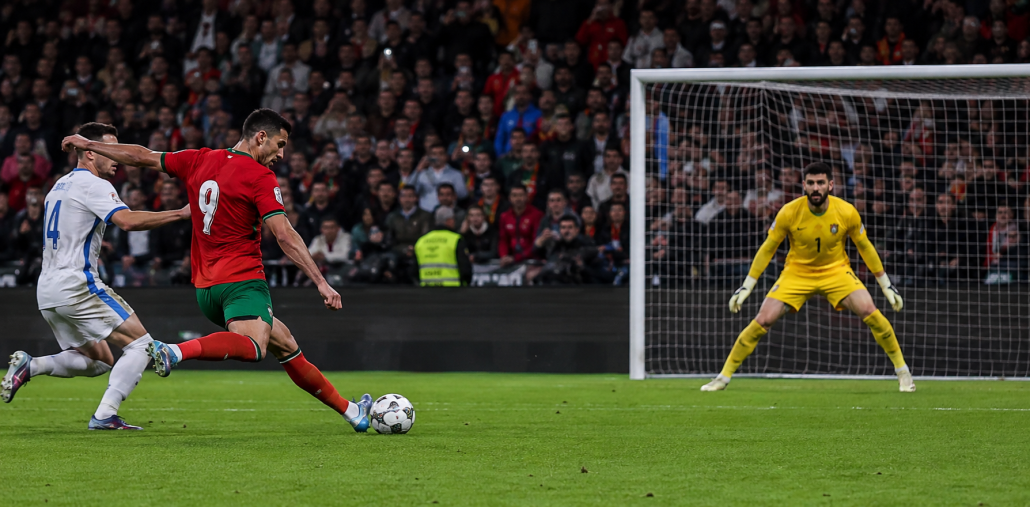
The World Cup is not only about the final score. The real fun often comes from the details inside the match. One wing attack may lead to a corner. One run behind the defence may cause an offside. One direct dribble into the box may create a penalty. One defensive mistake may become a yellow card or even a red card.
If you only watch for goals, some matches may feel slow. But once you start reading player habits and team styles, the whole match becomes more layered. Which players often produce shots on target? Which wingers can create corners or penalties? Which defenders are more likely to get booked? Which goalkeeper may be forced into repeated saves? These are all useful angles for match prediction and live match reading.
This article looks at common 2026 World Cup match events from both player and team perspectives: goals, penalties, red cards, offsides, shots on target, corners, substitutions, yellow cards, and successful goalkeeper saves. General football fans can use it to enjoy matches with more insight. iBET Football Bingo players can also use these event patterns as a reference when choosing matches and deciding whether to refresh their card layout.
Table of Contents
- Why Player Habits Affect Match Events
- Player Event Radar: Which Players Are Worth Watching?
- Goal Events: Watch Finishers and Strong Team Pressure
- Penalty Events: Watch Box Pressure and Wing Dribbles
- Red Card Events: Watch High-Pressure Defending and Last-Man Risk
- Offside Events: Watch Fast Forwards and High Defensive Lines
- Shots on Target: A More Stable Attacking Indicator Than Goals
- Corner Events: Watch Wing Play and Sustained Pressure
- Substitution Events: Watch Tactical Changes and Squad Depth
- Yellow Card Events: Watch Midfield Intensity and Match Pressure
- Successful Goalkeeper Saves: Watch Whether the Underdog Keeper Gets Busy
- Team and Player Event Reference Table
- How Football Bingo Players Can Use This
- Final Thoughts: Read Player Events to Read the Match Earlier
- Frequently Asked Questions
- Players such as Mbappé, Vinícius, and Lamine Yamal are worth watching for shots on target, offsides, corners, and penalties.
- Box finishers such as Harry Kane and Cristiano Ronaldo are useful for goal, shot on target, and penalty-related events.
- Creative leaders such as Messi and Bruno Fernandes are worth watching for shots on target, penalties, key passes, and tempo changes.
- Combative players such as Romero, Otamendi, Valverde, and Casemiro-type midfielders are useful for yellow card and defensive-pressure events.
- Big-tournament goalkeepers such as Livaković and Bono are worth watching for successful saves, especially against stronger attacking teams.
- Football Bingo players can use these event patterns for match selection and card refresh decisions, but they do not guarantee any result.
Why Player Habits Affect Match Events
Many football match events are directly connected to player habits. A winger who likes to cut inside will usually create more shooting chances. A striker who keeps running behind the defence may create both goal chances and offside situations. A strong one-on-one dribbler can create corners, yellow cards, and even penalty situations.
Defensive players have their own event patterns too. Aggressive centre-backs and defensive midfielders may produce more interceptions and duels, but they may also be linked to yellow cards, tactical stops, or even red-card risk. Goalkeepers are different: sometimes they are not worth watching because their team is strong, but because their team is under pressure and they may be forced into many saves.
This article does not predict that a specific player will definitely score, get booked, or win a penalty. It highlights which events are more worth watching based on player style and team habits. Football always has variables, including referee style, scoreline changes, current form, and tactical adjustments.
Player Event Radar: Which Players Are Worth Watching?
To read a match through players, you can first group them into event types: shooters, dribblers, creators, defenders, and goalkeepers. Different player types naturally lead to different match events.
| Player / Type | Key Events to Watch | Why These Events May Happen | Football Bingo Reference |
|---|---|---|---|
| Kylian Mbappé | Goals, shots on target, offsides, penalties | His speed and runs behind the defence make him dangerous in transition. When France attacks quickly, he can create both shooting and offside situations. | Shots on target, goals, offsides, and penalty cells are worth watching. |
| Harry Kane | Goals, shots on target, penalties | His box positioning, finishing, and penalty-taking are reliable. If England controls the match, he often becomes the main shooting and penalty focal point. | Goals, shots on target, and penalty cells are useful references. |
| Lionel Messi | Shots on target, goals, penalties, yellow-card risk | Even late in his career, he remains a key source of Argentina’s final pass and finishing. In high-pressure matches, emotion or referee protests may also bring card risk. | Shots on target, penalties, goals, and yellow cards are worth observing. |
| Cristiano Ronaldo | Goals, shots on target, penalties, offsides | If he gets stable minutes, he remains an important penalty-box finisher for Portugal. Because he often plays near the defensive line, offsides may also be relevant. | Goals, shots on target, penalties, and offsides are worth monitoring. |
| Vinícius Júnior | Corners, shots on target, penalties, yellow cards | His one-on-one wing attacks can force blocks, clearances, pulling, or mistakes inside the box. When Brazil dominates, his event impact can be obvious. | Corners, shots on target, penalties, and yellow cards are worth watching. |
| Rodrygo | Shots on target, goals, corners | He can play wide or cut inside. In Brazil’s rotations, he often appears in shooting areas or second-ball attacking positions. | Shots on target, goals, and corner cells are useful. |
| Lamine Yamal | Corners, shots on target, penalties, yellow cards | His right-wing dribbling and cutting ability can force double teams, blocked crosses, box pressure, and defensive cards. | Corners, shots on target, penalties, and yellow cards can be watched. |
| Bruno Fernandes | Shots on target, penalties, tempo changes after substitutions | He is one of Portugal’s attacking hubs. Long shots, through balls, set pieces, and penalties can all run through him. | Shots on target, penalties, and tempo changes after substitutions are useful angles. |
| Federico Valverde | Shots on target, yellow cards, substitutions | He covers large areas, shoots from distance, and plays with high intensity. In Uruguay’s tougher matches, he can bring both shot and card relevance. | Shots on target, yellow cards, and substitution cells can be watched. |
| Achraf Hakimi | Corners, shots on target, yellow cards, substitutions | He is a key right-side outlet for Morocco. He can create wide attacks while also defending with high intensity. | Corners, shots on target, and yellow card cells are worth watching. |
| Cristian Romero / Nicolás Otamendi | Yellow cards, red-card risk | Argentina’s centre-backs can defend aggressively. Against fast forwards or in knockout-style pressure, tactical stops and card risk become more relevant. | Yellow cards and red cards can be watched, but red cards remain low-frequency events. |
| Dominik Livaković | Successful goalkeeper saves | He has shown big-tournament shot-stopping ability. If Croatia faces a strong attacking side, his save count may become more important. | Successful goalkeeper save cells are worth observing. |
| Yassine Bounou / Bono | Successful goalkeeper saves | Morocco’s compact defensive structure can make the goalkeeper a key figure against stronger opponents. | Successful saves, yellow cards, and substitutions can be viewed together. |
Goal Events: Watch Finishers and Strong Team Pressure
Goals are easy for casual fans to notice, but they are not always the most stable event. The real question is: which team can keep moving the ball into dangerous areas, and which player is the final finisher?
Key Players to Watch
- Mbappé: His pace and individual quality make him one of France’s most dangerous counter-attacking finishers.
- Kane: England’s central finisher and penalty reference point, especially when England controls possession.
- Ronaldo: If he starts or receives stable minutes, his penalty-box finishing and shots on target are still worth watching.
- Messi: Argentina’s key attacking source. His goals often come from timing, set pieces, penalties, or the final action.
- Vinícius / Rodrygo: Brazil’s wide and inside attacking threats, especially in transition and second-ball situations.
When a favourite dominates a defensive underdog, goal-related cells may be more useful than in a big-team clash. Strong matchups can be cautious, while pressure-heavy matches can create repeated shots, corners, and goal pressure.
If your card includes goals, shots on target, and corners, look at attacking favourites such as France, Brazil, England, Portugal, or Spain when they face defensive opponents.
Penalty Events: Watch Box Pressure and Wing Dribbles
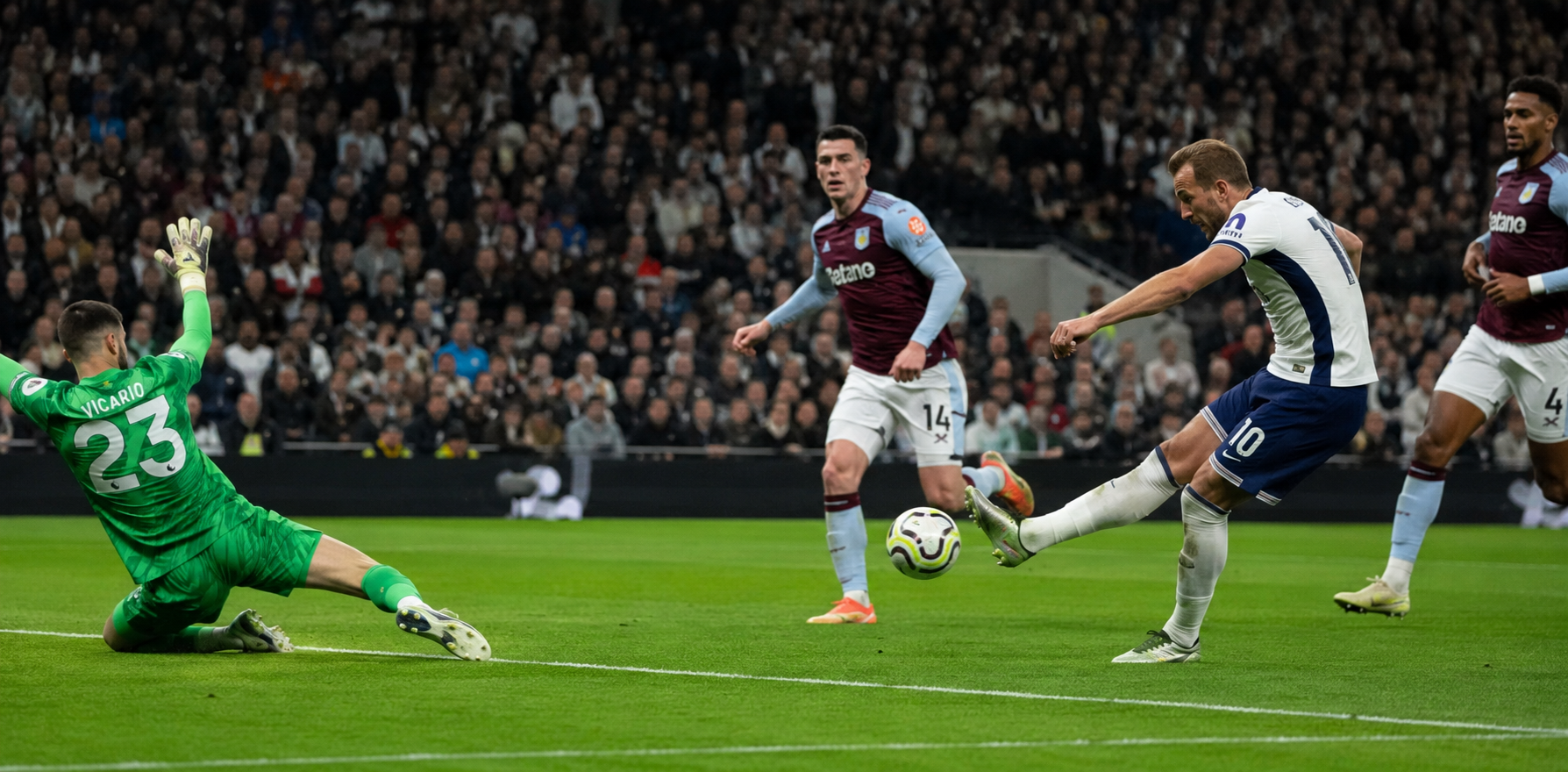
Penalties are not high-frequency events, but they have clear player patterns. The players most likely to create penalty situations are not always the players with the most shots. They are often the ones who repeatedly carry the ball into the box and force defenders into difficult choices.
Key Players to Watch
- Mbappé: His high-speed box entries can force defenders into contact while chasing back.
- Vinícius Júnior: Frequent left-side one-on-one dribbles can create pulling, blocks, and box-pressure moments.
- Lamine Yamal: His right-side dribbles and inside cuts can create defensive confusion when opponents over-cover him.
- Rodrygo: His movement between wide and central areas can make him dangerous when receiving inside the box.
- Kane / Messi / Ronaldo: More relevant as penalty takers. If their teams win a penalty, they may quickly connect the penalty event to a goal event.
These events are useful to watch in teams with strong wide players, such as France, Brazil, Spain, and Portugal. When they face deep defensive lines, box contact may become more likely.
Penalty cells are better treated as a bonus, not the main strategy. If your card has penalties, shots on target, goals, and yellow cards together, look for matches with strong box pressure and physical defending.
Red Card Events: Watch High-Pressure Defending and Last-Man Risk
Red cards are low-frequency events, but when they happen, the match changes immediately. To judge red-card risk, do not only look at team reputation. Look at match context: a fast forward against a slower defence, a desperate team in a knockout match, or a defender forced into a last-man decision.
Key Players / Types to Watch
- Aggressive centre-backs: Players such as Cristian Romero and Nicolás Otamendi are examples of defenders whose strong tackling style can carry card risk.
- Defensive midfielders: They are responsible for interceptions, protection, and tactical stops. Yellow-card risk is higher, and in extreme cases it can escalate.
- Slower centre-backs against fast forwards: Against players such as Mbappé or Vinícius, last-man situations become more dangerous.
- Teams trailing in knockout matches: The more desperate the match becomes, the more defensive actions can lose control.
Red cards should not be predicted too directly, but they can be monitored in high-pressure matches. If the match already has several yellow cards, rising emotion, and a strict referee, red-card risk becomes more relevant.
If a red card cell requires only a low count, it can be watched. If the requirement is high, it is usually not wise to base the whole card strategy on red cards.
Offside Events: Watch Fast Forwards and High Defensive Lines
Offside is not simply about a forward standing too far ahead. It is a battle between defensive line and attacking runs. High-line teams push up to compress space, while fast forwards keep trying to attack the space behind. When both exist in the same match, offsides become more worth watching.
Players / Teams That Can Create Offside Situations
- Mbappé: Often attacks the space behind the defence, creating both danger and offside situations.
- Ronaldo: If used as a penalty-area finisher, he may position himself close to the last defensive line.
- Vinícius / Rodrygo: Wide diagonal runs and runs behind the defence can connect them with offside situations.
- France / Brazil / Portugal: Fast attacking units often create both threats and offsides.
- Spain / Germany / Netherlands: Their higher defensive positioning may make opposing counter-attacking players fall offside more often.
If you want to observe offsides, the best match type is not slow possession football. Look for “high-line team vs fast counter-attacking team”. Even if there are few goals, there may still be several offsides.
If your card includes offside, look at matches involving fast attacking teams such as France, Brazil, and Portugal, or high-line teams such as Spain, Germany, and the Netherlands.
Shots on Target: A More Stable Attacking Indicator Than Goals
Shots on target are usually more useful for pre-match reading than goals. They do not require the ball to go in. A shot can count as a major threat if it heads toward the goal and is saved, blocked, or scored.
Key Players to Watch
- Mbappé: Counter-attacks and left-side inside runs can produce high-quality shots.
- Kane: Reliable box shooting, long shots, and penalty ability.
- Messi: Edge-of-box shots, free kicks, and penalties can all create shots on target.
- Ronaldo: High shooting intent. If he gets enough minutes, shots on target are worth watching.
- Vinícius / Rodrygo: Inside cuts and second-ball opportunities can produce shots and rebounds.
- Musiala / Wirtz: Germany’s attacking midfielders can progress the ball and shoot from dangerous zones.
Shots on target are usually more stable than goals. Some favourites may not win heavily, but if they continue to dominate, they can still accumulate shots on target.
Shots on target are usually worth keeping. If your card has shots on target and successful goalkeeper saves together, a strong team against a defensive team becomes a good match type to watch.
Corner Events: Watch Wing Play and Sustained Pressure
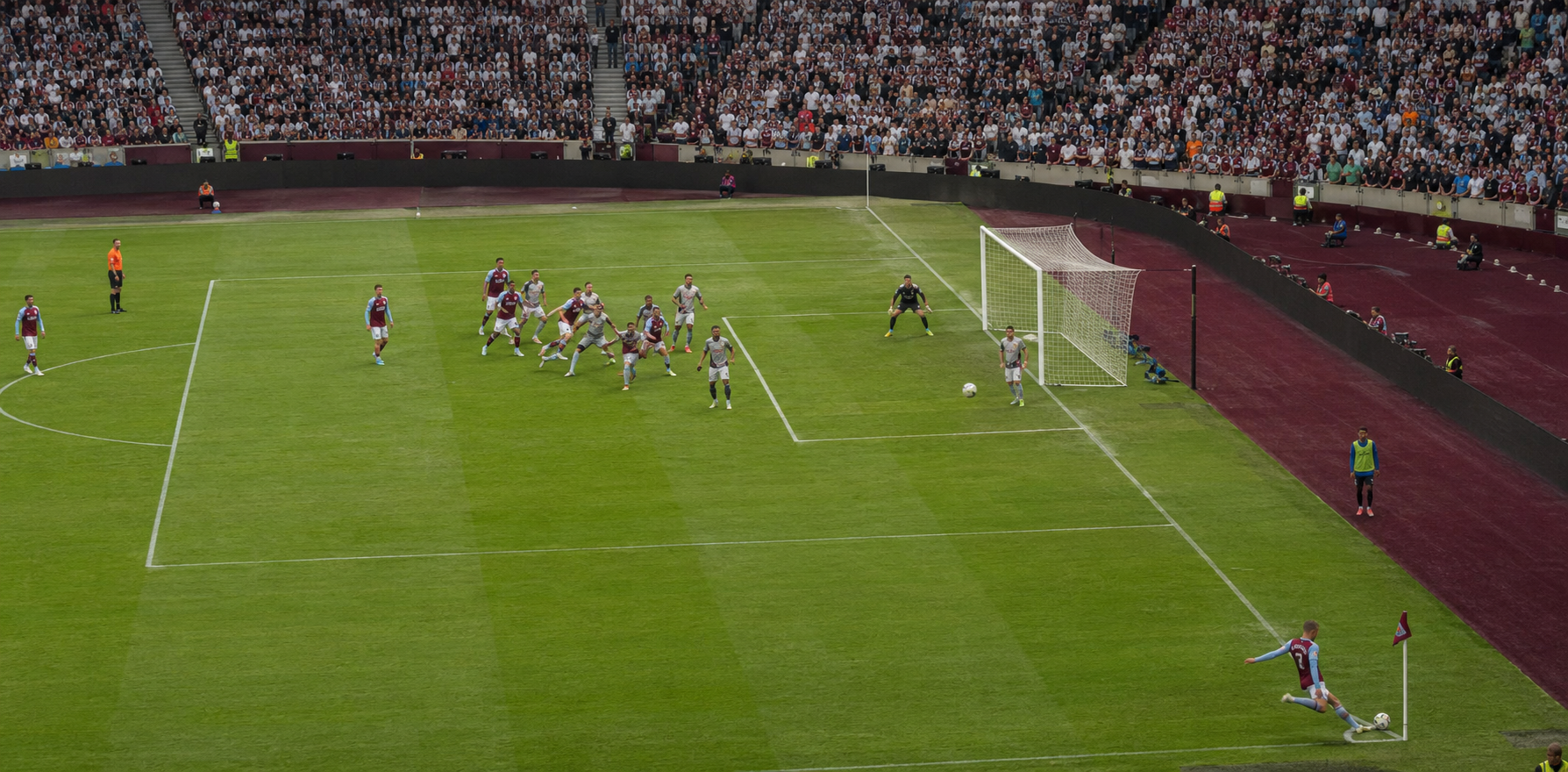
Corners are useful for reading whether a team is building pressure. Wing dribbles, blocked crosses, saved shots, and defensive clearances behind the goal line can all increase corner chances.
Key Players / Teams to Watch
- Vinícius Júnior: Frequent one-on-one wing attacks can force blocks and corners.
- Lamine Yamal: Right-wing dribbles and crosses can force defenders to clear behind.
- Hakimi: His overlapping runs on the right can make Morocco’s wide attacks more relevant.
- England: Wide delivery and set-piece quality make corners an attacking weapon.
- Brazil / France: Strong wide players can create pressure near the byline.
- Spain / Germany: Sustained pressure can force opponents into repeated clearances.
If one team spends long periods attacking around the opponent’s box, corners may reveal the match trend before goals do. In other words, corners can be an early signal before the score changes.
If your corner requirement is not too high and the match is a favourite pressing an underdog, corner cells are often worth keeping.
Substitution Events: Watch Tactical Changes and Squad Depth
Substitutions are relatively stable match events. They are less about individual players and more about coaching style, squad depth, scoreline, and match stage.
Teams / Situations That Can Produce More Substitutions
- France: Strong squad depth. If they lead, key players may be rested; if needed, substitutes can change the match.
- England: Many midfield and attacking options make late-game adjustments likely.
- Brazil: Rich attacking rotation, especially among wingers and forwards.
- Portugal: Many attacking choices, depending on the roles of Ronaldo, Bruno, and wide players.
- Germany / Spain: Frequent midfield and wide rotations to support possession systems and pressing intensity.
If a match is decided early, the leading team may rest key players. If the score is tight, both teams may use substitutions to change the tempo. In knockout matches, late substitutions can become even more important.
Substitutions are usually stable events. If the required count is not too high, substitution cells can often be kept.
Yellow Card Events: Watch Midfield Intensity and Match Pressure
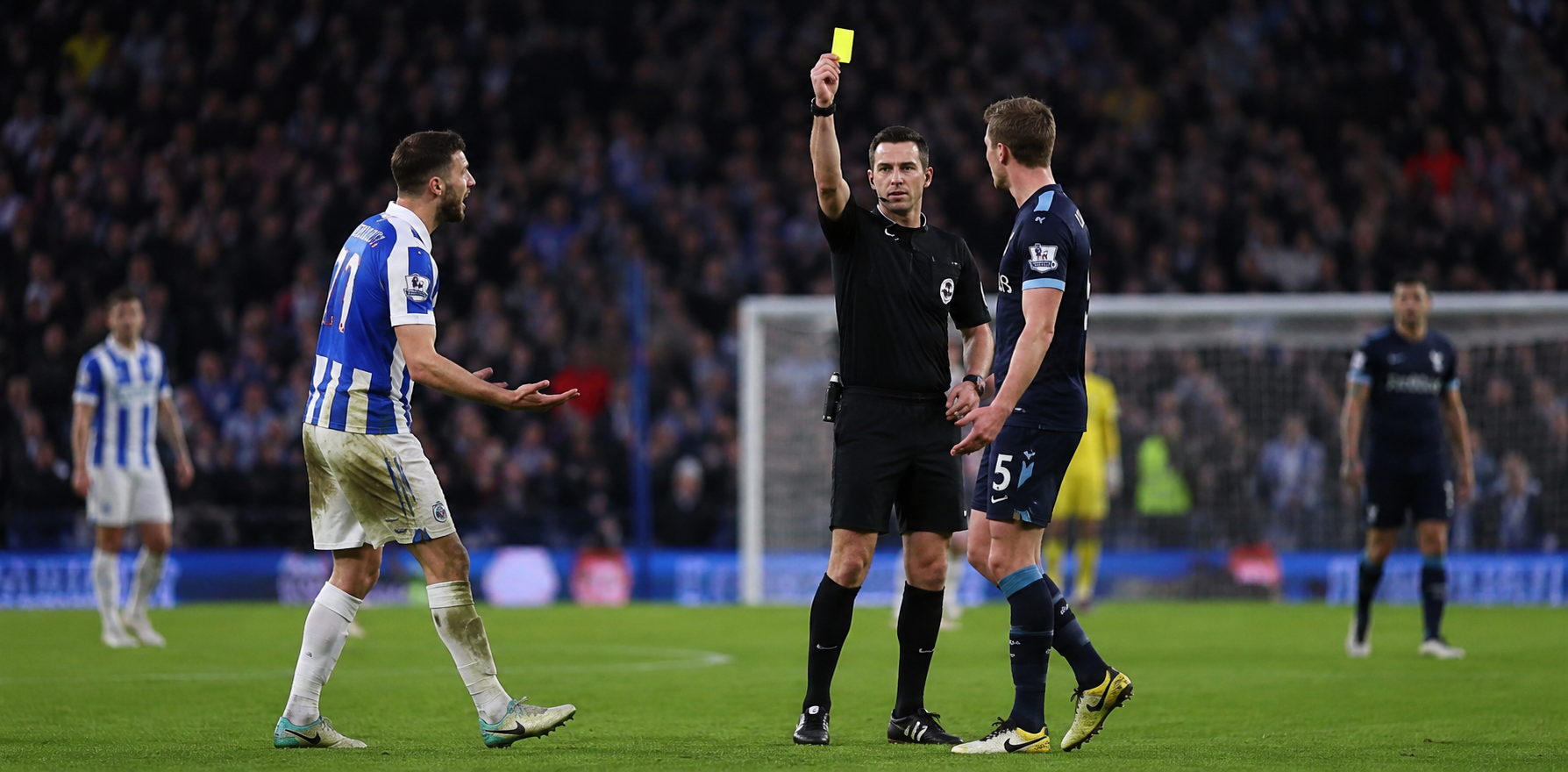
Yellow cards rarely come from nowhere. They usually appear when the match becomes more physical, tactical stops increase, or player emotion rises. The more important the match, the more relevant yellow cards become.
Key Players / Types to Watch
- Federico Valverde: Covers large areas and plays with intensity. In Uruguay’s tougher matches, yellow-card risk is worth watching.
- Casemiro-type defensive midfielders: Responsible for interceptions and protection, often involved in tactical-stop situations.
- Romero / Otamendi: Aggressive centre-backs who may face pressure against fast forwards.
- Hakimi: Attacks and defends heavily on the flank. Yellow-card risk rises against strong wingers.
- South American midfielders: Strong duels and physical rhythm can connect them with card risk.
Matches More Likely to Have Yellow Cards
- Knockout matches.
- Final group matches with qualification pressure.
- Big-team clashes.
- South American teams against European strong teams.
- Fast wingers against full-backs under heavy defensive pressure.
Yellow card cells work well in tough matches. If your card has yellow cards, offsides, and substitutions, look at close matches or games with qualification pressure.
Successful Goalkeeper Saves: Watch Whether the Underdog Keeper Gets Busy
Successful goalkeeper saves are often underrated by casual fans. Many people only focus on star forwards, but from an event perspective, the real key player may be the underdog goalkeeper.
Goalkeepers / Team Types to Watch
- Livaković: Croatia can face heavy defensive pressure in big games, and his shot-stopping can become important.
- Bono: Morocco’s compact defensive system can make him a key figure against stronger teams.
- Japan / Morocco / Croatia-type teams: Strong defensive organisation, but their goalkeepers may be tested often against favourites.
- Underdog goalkeepers: Against strong attacking teams such as France, Brazil, England, Spain, or Germany, their save chances may rise significantly.
If a strong team keeps producing shots on target but cannot extend the scoreline, the goalkeeper may become the hidden main character of the match. For Bingo players, save cells in this type of match can be very relevant.
If your card includes shots on target and successful goalkeeper saves, strong team vs underdog or strong attack vs defensive team is a useful match combination to watch.
Team and Player Event Reference Table
| Team | Key Players | Common Playing Style | Events to Watch |
|---|---|---|---|
| France | Mbappé, Dembélé, Barcola | Fast transitions, wide attacks, runs behind | Goals, shots on target, offsides, penalties, corners |
| Brazil | Vinícius, Rodrygo | Wing dribbles, inside cuts, individual quality | Shots on target, corners, penalties, goals |
| England | Kane, Bellingham, Saka | Box finishing, wing progression, set pieces | Goals, shots on target, corners, substitutions |
| Argentina | Messi, Romero, Otamendi | Match control, key passes, physical battles | Goals, penalties, yellow cards, red-card risk |
| Portugal | Ronaldo, Bruno Fernandes, Leão | Wing attacks, box finishing, long shots | Goals, shots on target, penalties, offsides, substitutions |
| Spain | Lamine Yamal, Pedri, Oyarzabal | Possession pressure, right-wing dribbles, high positioning | Corners, shots on target, penalties, offsides |
| Germany | Musiala, Wirtz | Central progression, high pressing, repeated shots | Shots on target, corners, substitutions, offsides |
| Morocco | Hakimi, Bono | Defensive organisation, right-side progression, counters | Saves, corners, yellow cards, substitutions |
| Croatia | Livaković, Modrić | Midfield control, defensive resilience, goalkeeper performance | Saves, yellow cards, substitutions, shots on target |
| Uruguay | Valverde, Darwin Núñez | Midfield intensity, direct attacks, physical duels | Shots on target, yellow cards, offsides, goals |
How Football Bingo Players Can Use This
If you are just watching football, use the above as pre-match observation angles. If you are playing Football Bingo, these player events can also help with match choice and card refresh decisions.
Card Layouts I Would Prefer to Keep
- Stable Type: Substitutions, corners, shots on target, successful goalkeeper saves, yellow cards.
- Favourite Pressure Type: Goals, shots on target, corners, saves, substitutions.
- Wing Dribble Type: Corners, penalties, yellow cards, shots on target.
- Hard Match Type: Yellow cards, offsides, substitutions, shots on target, penalties.
- High-Risk Type: Red cards, penalties, low-count goals.
How to Use the 3 Free Refreshes
If your card has too many low-frequency events such as red cards and penalties, and the required counts are high, you may consider refreshing. If the card includes substitutions, shots on target, corners, saves, and yellow cards, it may be more worth keeping.
From a stability point of view, you may prioritise: substitutions > corners > shots on target > saves > yellow cards > offsides > goals > penalties > red cards. The final decision still depends on the match and the required count on your card.
Final Thoughts: Read Player Events to Read the Match Earlier
The World Cup is not only about the scoreline. Before a goal, there may already be repeated shots on target and corners. Before a penalty, a winger may have been attacking the box again and again. Before a red card, yellow cards and emotional pressure may already be building. Before a goalkeeper save, a favourite may already have pinned the underdog near its own box.
Once you start watching player habits, matches become easier to read. Mbappé’s runs behind, Vinícius’ wing dribbles, Kane’s box finishing, Hakimi’s right-side progression, and Livaković’s reactions in goal are not just isolated moments. They are part of how a team plays.
For general fans, this helps you understand the match better. For Football Bingo players, it also gives more direction when choosing matches and refreshing card layouts. Watching football is not only about waiting for goals — reading events is how you really enter the match.
For the next World Cup match, try choosing 2–3 key players to observe: who will create shots on target? Who may force corners? Who may get booked? Which goalkeeper may be the busiest? The match often reveals its direction before the score changes.